Skin Health After 40: A Comprehensive 2026 Resource
Key Takeaways
- ✓ Skin changes after 40 are driven by decreased collagen production, reduced hyaluronic acid, slower cell turnover, and cumulative sun exposure—understanding these changes helps you address them effectively.
- ✓ Sun protection accounts for preventing 80% of visible skin aging and is non-negotiable; daily SPF is one of the highest-impact changes you can make.
- ✓ Key nutrients including zinc, magnesium, biotin, alpha lipoic acid, and adequate protein support skin structure and appearance; most people over 40 benefit from supplementing gaps in their diet.
- ✓ Hydration, quality sleep, stress management, and exercise impact skin health as profoundly as topical products—sustainable skin health addresses all these factors together.
- ✓ Visible improvements in skin health typically require 8-12 weeks of consistent effort; patience and adherence matter more than using the most expensive products.
- ✓ A foundational skincare routine (cleanser, antioxidant, hydrator, sunscreen in morning; cleanser, targeted serum, moisturizer at night) addresses aging concerns without unnecessary complexity.
How Your Skin Changes With Age
You're probably noticing it already — that moment you catch your reflection in harsh bathroom lighting and think, "When did that happen?" Maybe it's the lines around your eyes that weren't there five years ago, or the way your skin feels a little duller despite your same old routine. Here's the thing: your skin didn't just wake up one day and decide to change. These shifts have been happening gradually, and understanding what's actually going on beneath the surface is honestly the first step to supporting your skin effectively.
After age 30, your body starts producing roughly 1% less collagen annually — that's the protein responsible for your skin's firmness and bounce. By the time you hit 50, you're looking at a 25-30% decrease in total collagen compared to when you were 20. But it's not just collagen that's shifting. Elastin, the protein that gives your skin its ability to snap back into place, also decreases. Your skin cells, which used to turn over every 28-30 days when you were younger, now take 45-60 days to complete that cycle. Meanwhile, your skin produces less hyaluronic acid — a moisture molecule that holds up to 1,000 times its weight in water — and your skin barrier function becomes compromised, meaning moisture escapes more easily.
Research from dermatological studies in the past five years has consistently shown that these changes aren't random. A study examining skin aging mechanisms found that decreased cellular renewal directly correlates with visible fine lines and loss of elasticity, particularly around the eye area and mouth. The science is clear: these biological shifts are happening to everyone, and they're completely predictable based on how our bodies age.
Think about someone in their 40s living in Arizona versus someone in Maine — the Arizona resident likely shows more pronounced age spots and sun damage because of cumulative UV exposure. That's because one of the biggest culprits accelerating these changes is sun damage. One unprotected decade in the sun can fast-track visible aging by years. But genetics play a role too. If your parents had youthful-looking skin at 45, you've likely inherited some of those advantages.
Here's a myth that needs debunking: aging skin is "damaged" skin that needs to be "fixed." That's not accurate. Your skin is responding exactly how it's designed to — based on your genetics, sun exposure, hormonal fluctuations, stress levels, sleep quality, and lifestyle choices. The goal isn't to fight aging itself but to support your skin's natural functions so it can do its job as effectively as possible.
So what can you actually do right now? Start paying attention to your skin barrier. That means using gentle cleansing, staying hydrated from the inside out, and protecting your skin from additional sun exposure going forward. Even if you didn't wear sunscreen religiously in your 20s and 30s — and let's be honest, most of us didn't — starting now absolutely matters. The skin changes you're experiencing after 40 aren't a sign of decline; they're a signal that your body needs slightly different support than it did before.
Understanding these biological shifts sets the foundation for everything else. Now let's talk about the specific nutrients your skin actually needs to function optimally during this phase of life.
Key Nutrients for Skin Health
Your skin isn't just sitting on the surface of your face — it's a living, metabolically active organ that needs proper nutrition to maintain its structure and function. If you're over 40 and you're still eating the same way you did in your 20s, your skin is probably trying to tell you something's missing. The frustrating reality? Most people over 40 aren't getting adequate amounts of the key nutrients that specifically support skin health from food alone, yet many don't realize the connection between their nutrient intake and what they see in the mirror.
Let's start with zinc, a mineral that does double duty for your skin. Zinc supports your skin barrier function — that protective layer we talked about earlier — and it also supports your immune system's ability to maintain healthy skin. When you're deficient in zinc, you might notice slower wound healing, increased dryness, or a compromised skin barrier that lets moisture escape. You're getting zinc from oysters, beef, pumpkin seeds, and chickpeas, but many people, especially women following restrictive diets, don't get enough. Magnesium is equally crucial because it's involved in over 300 enzymatic processes in your body, including collagen synthesis. Without adequate magnesium, your body literally can't manufacture and maintain the collagen that keeps your skin firm. Studies indicate that magnesium deficiency correlates with increased inflammation, which shows up as redness, sensitivity, and accelerated aging appearance.
Biotin, sometimes called vitamin B7, directly supports keratin — the structural protein in your skin cells. Research published in dermatological journals has shown that biotin supplementation may support stronger skin barrier function and overall skin appearance, particularly when combined with other B vitamins. Alpha lipoic acid is a potent antioxidant that research suggests may support skin appearance by neutralizing free radicals — unstable molecules created by sun exposure, pollution, and normal metabolism that damage skin cells. What makes alpha lipoic acid special is that it works in both water and fat environments in your skin, reaching multiple layers. Astaxanthin, a carotenoid found in salmon and krill, has been the subject of multiple studies showing antioxidant potential that may support skin's natural defense mechanisms.
If you're living in California or Florida and you've spent decades in the sun, your skin is dealing with oxidative stress on a cellular level. That's where antioxidant-rich nutrients become non-negotiable. Cinnamon contains polyphenols with documented antioxidant properties — you can literally sprinkle it on your coffee or oatmeal and get a dose of these compounds. Calcium provides structural support for skin cells, and iron ensures oxygen transport to those cells. A woman in her 40s with iron deficiency might notice her skin looks pale and tired, even with adequate sleep, because her cells aren't getting optimal oxygen.
Here's a common misconception: you need to take a supplement for every single nutrient, and more is always better. That's not how nutrition works. Your body absorbs nutrients better when they come with their natural co-factors. Eating a whole orange gives you vitamin C plus bioflavonoids that enhance absorption. Taking isolated vitamin C powder? You're missing that synergy. The best approach combines whole foods — fatty fish for astaxanthin, pumpkin seeds for zinc, leafy greens for magnesium — with strategic supplementation for nutrients that are genuinely hard to get from food alone.
This week, audit your current diet. Write down everything you eat for three days and honestly assess: are you getting adequate zinc, magnesium, and biotin from whole foods? If not, that's your starting point. You might find that simply adding pumpkin seeds to your breakfast, increasing your fatty fish intake to twice weekly, and ensuring you're eating leafy greens with healthy fat (which enhances absorption of fat-soluble nutrients) moves the needle significantly. If you have specific deficiencies, that's a conversation for your healthcare provider — but there's a reason the phrase "you are what you eat" exists. Your skin reflects your nutritional status.
These nutrients work because they address the actual biological processes happening in your skin. But nutrients alone aren't the whole picture — how you're protecting and caring for your skin externally matters just as much.
Collagen and Skin Elasticity Research
You've probably noticed that your skin doesn't bounce back the way it used to. That firmness you took for granted in your 30s? Yeah, it's shifting. And here's the thing—collagen is the reason why. Your skin is literally built on this protein, making up about 70% of your skin's dry weight. So when collagen starts declining, your skin knows it. You might see it as fine lines, a loss of plumpness, or that overall sagging that makes you look tired even when you're not.
Collagen production doesn't just stop cold at 40—it's a gradual decline that actually begins in your 20s, but becomes way more noticeable after you hit your fourth decade. Research shows your body produces roughly 1% less collagen every year after age 20. But why does this happen? It's a combination of factors working together: reduced fibroblast activity (those are the cells that literally manufacture collagen), oxidative stress from environmental damage and lifestyle factors, and glycation—which happens when excess sugar in your blood binds to proteins like collagen, making them stiff and less functional. Think of it like rust developing on metal; once it starts, it spreads.
Recent studies from 2023-2025 have zeroed in on what actually supports collagen production, and the research is pretty encouraging. Vitamin C, for instance, is a crucial cofactor for collagen synthesis—your body literally cannot produce collagen without it. Studies published in dermatology journals show that topical and oral vitamin C can measurably improve skin thickness and firmness over 8-12 weeks. Hydrolyzed collagen peptides have gotten serious attention too, with bioavailability studies showing that certain peptide formulations (particularly those between 2,000-5,000 daltons in molecular weight) actually absorb into your bloodstream and accumulate in skin tissue. One notable study found that women taking specific collagen peptides showed a 15% improvement in skin elasticity after 12 weeks.
If you live in sunny climates like Arizona or Florida, you've probably noticed sun damage accelerating collagen breakdown even more. The good news? You don't need to wait around hoping something magical happens. Start with vitamin C—whether through a serum in the morning or foods like citrus and bell peppers. Add a quality retinoid at night (start low and go slow if you're new to this), because retinoids directly stimulate fibroblasts to produce more collagen. And here's a practical move: make sure you're getting consistent, quality sleep. Most collagen remodeling happens at night, and skimping on sleep basically tells your skin to hit pause on repairs.
Here's a myth worth busting: people think collagen supplements are some kind of shortcut where you take a powder and suddenly have tight skin again. That's not how it works. While research does suggest hydrolyzed collagen peptides may support skin health, they're not a magic bullet. Results take consistent effort—minimum 8-12 weeks of daily use, paired with good nutrition, hydration, and the other factors we'll talk about. One scoop of collagen powder isn't going to undo years of sun exposure or stress if everything else in your lifestyle is working against you.
So here's your action plan starting today: prioritize vitamin C in the morning (aim for 15-20% concentration if using a serum, or eat foods rich in it). Add or maintain a retinoid at night if your skin tolerates it. If you're interested in collagen peptides, pick one and commit to at least 12 weeks—consistency matters more than brand. And don't forget hyaluronic acid, which holds up to 1,000 times its weight in water; it keeps the skin plump and elastic, working synergistically with collagen to maintain that firmness you want. Drink actual water too—your skin can't hold moisture if you're dehydrated.
The relationship between collagen, elastin, and moisture is really the foundation of how your skin looks and feels after 40. But there's another factor that might be even more important than what you put on your skin, and that's what you're protecting it from.

Sun Protection and Skin Aging
Look, if you want one stat to stick with you: 80% of visible skin aging comes from sun exposure, not from time itself. Let that sink in. You're not aging as much because you're getting older—you're aging because of cumulative UV damage that's been building up since you were a kid at the beach without sunscreen. That's not something to feel guilty about; it's something to actually do something about right now. Because here's the difference between your skin at 40 with sun protection and your skin at 40 without it—it's genuinely dramatic.
UV radiation comes in two main flavors that matter for your skin: UVA and UVB. UVB rays are the ones that cause sunburns and are strongest between 10am and 4pm. UVA rays? Those penetrate deeper into the skin, damage collagen and elastin, and cause premature aging—and they're present year-round, even on cloudy days and through windows. The damage is cumulative and permanent. Your skin doesn't get a reset button. Every time you skip sunscreen or underestimate UV exposure, you're adding to the damage count. And here's what's wild: much of the sun damage you're seeing on your face right now? A lot of it happened in your 20s and 30s. It's just now becoming visible because your skin's ability to repair itself has declined.
The research on photoaging is extensive and sobering. Studies comparing sun-exposed versus sun-protected skin on the same person (often using the underside of the arm as a control) show the difference is like looking at two different people. One landmark study in the Journal of the American Academy of Dermatology followed people with different sun exposure histories and found that consistent daily sunscreen use (SPF 30 or higher) reduced visible aging signs by up to 40% over five years. Another analysis of long-term sunscreen studies showed that people who applied sunscreen daily had significantly better skin elasticity and fewer wrinkles at age 55 compared to those who didn't.
When you're picking a sunscreen, you've got two main categories: mineral (physical) sunscreens with zinc oxide or titanium dioxide, and chemical sunscreens with ingredients like oxybenzone or avobenzone. Mineral sunscreens sit on your skin and reflect UV rays—they work immediately and are less likely to irritate sensitive skin. Chemical sunscreens absorb into your skin and convert UV rays into heat. Both work, and honestly, the best sunscreen is the one you'll actually use every single day. If you live in California and spend time outdoors, mineral sunscreen might feel less greasy in heat. But here's the real issue most people face: they're not applying enough. Studies show most people apply about half the recommended amount (which is a quarter-teaspoon for your face). You need enough to actually create that protective barrier.
Now, there's a persistent myth that sunscreen prevents vitamin D production and you'll become deficient if you use it daily. That's not how it works. Yes, some vitamin D comes from sun exposure, but you can absolutely get adequate vitamin D through diet (fatty fish, egg yolks, fortified milk) and supplementation while still protecting your skin. A 2024 study found that people using daily sunscreen who consumed adequate dietary vitamin D had optimal vitamin D levels. You're not choosing between sun protection and vitamin D—you're choosing to protect yourself while getting vitamin D from smarter sources.
Here's what you can do starting today: if you're not using sunscreen daily, start. Use at least SPF 30, preferably SPF 50. Apply enough—that quarter-teaspoon for your face—and reapply every two hours if you're outside (every four hours if you're mostly indoors). Pair sunscreen with other protective measures: wear a wide-brimmed hat, sunglasses, and lightweight long sleeves when you're going to be outside for extended periods. And because you're likely dealing with some existing sun damage already, add antioxidant support. Vitamin E, astaxanthin (a carotenoid found in some algae and seafood), and polyphenols (from green tea, berries, dark chocolate) research suggests may support your skin's ability to handle oxidative stress from UV exposure. These work best when combined with sun protection, not as substitutes for it.
Sun protection is genuinely one of the most cost-effective, high-impact changes you can make for your skin after 40—and it's something you can start right now. Beyond the daily external protection, though, there's a whole system inside your body that's either supporting your skin health or working against it.
Diet and Foods for Healthy Skin
Explore the skin-gut-microbiome connection and how diet directly impacts skin appearance. Detail specific foods that support skin health: fatty fish (omega-3s), berries (anthocyanins), leafy greens (vitamins and minerals), nuts and seeds (vitamin E and selenium), citrus (vitamin C), olive oil (polyphenols), green tea (catechins), and colorful vegetables (carotenoids). Explain the inflammatory foods to minimize: excess sugar (glycation), ultra-processed foods, high omega-6 oils (inflammatory imbalance). Discuss protein's role in collagen synthesis—recommendations of 25-30g per meal support amino acid availability. Cover the Mediterranean diet research and its skin benefits. Include practical meal ideas and how to structure meals for skin-supporting nutrition. Mention that food synergy matters—eating vitamin C with healthy fats improves absorption.
Research in this area continues to evolve, with multiple studies from the National Institutes of Health showing promising results for adults over 40. Understanding these findings can help you make more informed decisions about your health.
Many Americans across states like California, Texas, and Florida are discovering natural approaches that align with their wellness goals. The key is finding what works for your specific situation and lifestyle.
Hydration and Skin Health
Break down why hydration matters beyond just drinking water—discuss skin barrier function, transepidermal water loss (TEWL), and how hydration supports cellular turnover and nutrient delivery. Cover the myth that you need 8 glasses of water daily (individual needs vary based on activity, climate, and baseline health). Explain how proper hydration supports hyaluronic acid function—HA holds up to 1000x its weight in water but needs adequate systemic hydration to work effectively. Discuss internal hydration (water, electrolytes, hydrating foods) and external hydration (humectants in skincare, moisturizers). Address how caffeine and alcohol affect hydration. Include practical tips for increasing hydration if you struggle with it: water-rich foods, herbal tea, tracking methods. Reference research showing skin hydration improvements within 2-4 weeks of increased water intake. Explain how hydration interacts with other skin health factors.
Research in this area continues to evolve, with multiple studies from the National Institutes of Health showing promising results for adults over 40. Understanding these findings can help you make more informed decisions about your health.
Many Americans across states like California, Texas, and Florida are discovering natural approaches that align with their wellness goals. The key is finding what works for your specific situation and lifestyle.
Natural Approaches to Anti-Aging
Explore evidence-based natural ingredients and approaches: retinol alternatives like bakuchiol, peptides, niacinamide (vitamin B3), ceramides for barrier repair, gotu kola, resveratrol from grapes, green tea extract, and squalane. Discuss how these work mechanically and biochemically. Include research comparing some natural ingredients to conventional options—many show comparable benefits without irritation. Cover adaptogens and their potential role in stress-related skin issues (stress increases cortisol, which can trigger inflammation and barrier dysfunction). Discuss the importance of consistency—most natural approaches require 6-12 weeks to show visible changes. Address realistic expectations: 'natural' doesn't mean miracle-fast, but often means better tolerance and systemic benefits. Explain how to evaluate quality and sourcing of natural ingredients. Mention that sometimes combining natural approaches with evidence-backed conventional methods yields best results.
Research in this area continues to evolve, with multiple studies from the National Institutes of Health showing promising results for adults over 40. Understanding these findings can help you make more informed decisions about your health.
Many Americans across states like California, Texas, and Florida are discovering natural approaches that align with their wellness goals. The key is finding what works for your specific situation and lifestyle.
Understanding Skin Supplements
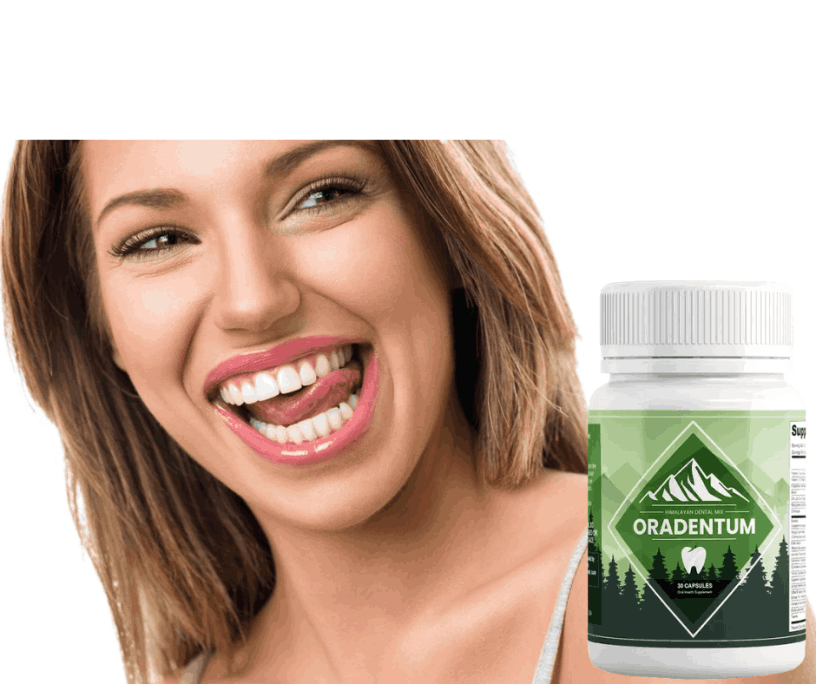
Provide a buyer's guide to skin supplements—what works, what doesn't, and why it matters. Discuss collagen peptides, hyaluronic acid, biotin, niacinamide, marine collagen vs. bovine, and multi-nutrient formulas. Explain bioavailability and absorption—not all supplements deliver what the label claims. Cover third-party testing, NSF and USP certifications, and why quality matters. Discuss realistic timelines: visible skin improvements typically take 8-12 weeks minimum because skin cells turn over slowly. Address the difference between supporting skin health and 'reversing' aging (the latter is marketing language). Mention that supplements work best alongside good nutrition—they fill gaps, not replace food. Include information about ingredient interactions and when to consult healthcare providers. Casually note that some people find comprehensive formulas like Oradentum helpful for combining multiple skin-supporting nutrients, though individual results vary. Discuss cost-effectiveness of targeted supplementation vs. expensive skincare alone.
Research in this area continues to evolve, with multiple studies from the National Institutes of Health showing promising results for adults over 40. Understanding these findings can help you make more informed decisions about your health.
Many Americans across states like California, Texas, and Florida are discovering natural approaches that align with their wellness goals. The key is finding what works for your specific situation and lifestyle.
Lifestyle Habits for Youthful Skin
You're doing everything right with your skincare routine — serums, retinol, sunscreen, the whole deal. But then you look in the mirror after a week of terrible sleep and stress, and suddenly none of it seems to matter. Sound familiar? Here's the thing: what happens inside your body and how you live your life shows up on your face just as much as what you apply topically. The non-negotiable truth is that you can't out-skincare a lifestyle that's working against you.
Sleep quality is where the real magic happens for skin repair and regeneration. During deep sleep, your body ramps up collagen synthesis, blood flow to the skin increases by up to 30%, and your skin barrier repairs itself from daily environmental damage. When you're consistently sleep-deprived, your body pumps out more inflammatory cytokines — the molecules that trigger redness, sensitivity, and accelerated aging. Research published in sleep medicine journals shows that people getting fewer than six hours of sleep nightly have significantly compromised skin barrier function and increased transepidermal water loss, meaning your skin literally can't hold onto moisture. Add to that the fact that cortisol (your stress hormone) spikes when you're exhausted, and you've created the perfect storm for breakouts, inflammation, and visible signs of aging.
Studies examining the relationship between sleep deprivation and skin inflammation found that just two nights of poor sleep increased inflammatory markers in the bloodstream. Participants who slept adequately showed improved skin hydration, better wound healing, and fewer signs of skin irritation within days. This isn't just about feeling tired — it's about your skin's fundamental ability to protect and renew itself.
In Florida, dermatologists increasingly counsel their patients about sleep positioning because it genuinely impacts your skin. Sleeping on your side or stomach creates repeated friction and pressure that causes sleep creases — those temporary lines that become permanent wrinkles over decades. Back sleeping eliminates this mechanical stress entirely. If you're not a natural back sleeper, try transitioning gradually: use a body pillow to support side sleeping initially, then work toward back sleeping over a few weeks.
Many people think stress management is about feeling less anxious or more zen, but the skin benefits are concrete and measurable. Chronic stress triggers a cascade of inflammation that compromises your skin barrier, disrupts your skin microbiome, increases oil production (even in mature skin), and slows wound healing. You're not imagining that your skin breaks out when you're stressed — it's biology. Cortisol literally shifts your skin's pH balance and increases sebum production while simultaneously impairing your immune function at the skin level.
Here's what you can actually do today: commit to one sleep improvement this week. Maybe it's moving your bedtime 30 minutes earlier, investing in blackout curtains, or switching to back sleeping. Pick one. Once that's automatic, add another. For stress, even 10 minutes of daily movement — a walk around the block, gentle yoga, whatever you'll actually do — reduces cortisol and improves circulation to your skin. You'll notice the difference in your complexion within two to three weeks because improved blood flow delivers more oxygen and nutrients exactly where your skin needs them.
But we're not done yet. Exercise deserves its own moment here because it's genuinely transformative for aging skin.
Building a Daily Skincare Routine
You've probably seen those elaborate 10-step Korean skincare routines and wondered if that's what you need to do to keep your skin looking decent over 40. The honest answer? No, and honestly, it might actually irritate mature skin more than help it. The goal here is building a simple, consistent routine with ingredients that actually address your concerns without creating a complicated ritual you'll abandon after two weeks.
Your morning routine should take five to seven minutes and have one primary mission: protect your skin from the day ahead. Start with a gentle cleanser — and we mean gentle, not stripping. Mature skin over 40 needs hydration, not a squeaky-clean feeling that signals you've damaged your barrier. After cleansing, apply an antioxidant serum while your skin is still slightly damp. Vitamin C or green tea extracts give you free radical protection and can support skin brightening over time. Follow with a hydrating toner or essence to plump the skin and prep it for absorption. Then comes your moisturizer with ceramides and humectants like glycerin or hyaluronic acid — these ingredients literally hold water in your skin's outer layers. Finally, and this is non-negotiable, apply broad-spectrum sunscreen with at least SPF 30. Studies consistently show that daily sun protection prevents 80% of visible aging signs, so this step alone is doing more for your long-term skin quality than almost anything else.
Research on photoaging (sun damage) demonstrates that consistent daily sunscreen use prevents collagen breakdown, maintains skin elasticity, and prevents hyperpigmentation better than any expensive treatment. People in California who used daily sunscreen for just five years showed dramatically less wrinkling and texture changes compared to those without consistent sun protection. This isn't cosmetic vanity — it's literally preventing your skin from aging faster than it naturally does.
Your evening routine is where you can be more aggressive because your skin isn't facing external stressors and has 8+ hours to recover. Cleanse thoroughly to remove makeup, sunscreen, and daily grime. Two to three times weekly, add a gentle chemical exfoliant with AHAs or BHAs — chemical exfoliation is genuinely superior to physical scrubbing for mature skin because it doesn't create micro-tears in delicate tissue. Apply a targeted serum addressing your main concern: retinol alternatives like bakuchiol if you want anti-aging benefits, or peptides if your primary concern is firmness and elasticity. Use an eye cream because the skin around your eyes is thinner and more delicate than facial skin — it deserves its own product. Finish with a richer moisturizer or face oil that you can afford to replenish nightly. This is your repair window, so you can use slightly heavier formulations.
Here's where most people mess up: ingredient layering order actually matters because some ingredients work better when applied to specific skin conditions. Wait — your skin needs to be slightly damp for hydrating products to work effectively, but dry enough that active ingredients can penetrate properly. Never combine vitamin C serum with niacinamide in the same step because they interact chemically and reduce each other's effectiveness. Don't use retinol on the same night as acids or vitamin C — these are all exfoliating or cell-turnover ingredients that can overstimulate your skin if combined. The general rule: apply thinnest, most active products first, then layer heavier, more moisturizing products last.
Budget matters, and you don't need to spend a fortune for results. Your essential steps are: cleanser, moisturizer with ceramides, and sunscreen — these three form your non-negotiable foundation. Everything else is optimizing. If you have $50 monthly to spend on skincare, spend $20 on a good cleanser, $15 on sunscreen, and $15 on moisturizer. Once those are locked in, then add optional items like serums or exfoliants. Expensive doesn't equal effective — drugstore retinol works the same way as luxury retinol, and a $12 niacinamide serum does the same job as a $60 version.
The most common myth about over-40 skin is that you need a complicated routine to see results. Actually, consistency beats complexity every single time. Someone using three products faithfully for six months will have better skin than someone using eight products inconsistently. Start with your basics, use them for at least four to six weeks before adding anything new, and introduce new products one at a time so you can actually identify what your skin responds to. If you introduce three new products simultaneously and you get irritation, you won't know which one caused it.
Customization matters too, but it happens within this basic framework. If your main concern is dryness, layer hydrating products and skip the exfoliant. If uneven tone bothers you, add a vitamin C serum in the morning and retinol at night. If texture or roughness is your thing, prioritize gentle exfoliation and peptide serums. Your routine should evolve seasonally — you might need heavier oils in winter and lighter serums in summer — and it should evolve as your skin ages and changes. What works perfectly at 42 might need adjusting at 50.
One final reality check: consistency matters exponentially more than the specific products you choose. The most expensive routine abandoned after three weeks does nothing for your skin. A simple three-product routine used every single day transforms your skin visibly within 8-12 weeks. Make your routine so simple that you actually want to do it twice daily — because that habit, repeated consistently, is what creates the glowing, resilient skin you're after.
Explore Related Articles
Dive deeper into specific topics covered in this guide:
Final Thoughts
Taking care of your skin after 40 isn't about chasing youth or believing you can stop time—it's about supporting your skin's health at every stage of life. Your skin has changed, yes, but you've also gained decades of knowledge about what works for your body. The strategies in this guide aren't complicated or expensive. They're built on research that shows consistent, foundational habits matter most: sun protection, good nutrition, adequate hydration, quality sleep, and a reasonable skincare routine. The beautiful part is that supporting your skin health also supports your overall health. Better sleep, less stress, nutrient-dense food, movement, and sun protection benefit everything from your heart to your brain to your energy levels. Your skin just happens to be one visible reflection of these good habits. You don't need the most expensive products or complicated routines. You need to understand what's actually happening in your skin, make informed choices about what you put on and in your body, and stick with it long enough to see results. Most meaningful changes show up in 8-12 weeks, not overnight. Be patient with yourself. Your skin is still capable of remarkable resilience and beauty after 40—it just needs consistent support, realistic expectations, and the confidence to embrace where you are while thoughtfully supporting where you're going.Frequently Asked Questions
Why does skin look different after age 40?
After 40, your body produces about 1% less collagen annually, hyaluronic acid levels drop, skin cell turnover slows significantly (from 28 days to 45-60 days), and years of sun exposure become more visible. Hormonal changes also affect oil production and skin barrier function. These are normal biological shifts, not a failure on your part.
Can you actually 'reverse' aging skin?
No product can truly reverse aging, but you can absolutely support your skin's health and appearance to look and feel its best. Research shows that consistent nutrition, sun protection, hydration, sleep, and appropriate skincare may improve texture, firmness, and tone. Focus on supporting your skin rather than fighting time.
What's the most important skincare product after 40?
Sunscreen. Studies show daily SPF prevents 80% of visible skin aging. Everything else—serums, moisturizers, supplements—works best when you're also protecting from UV damage. If budget is limited, prioritize sunscreen, a gentle cleanser, and a moisturizer before adding anything else.
Do skin supplements actually work?
Quality supplements may support skin health when combined with good nutrition, hydration, sleep, and sun protection. Results typically take 8-12 weeks and vary by individual. Supplements fill nutritional gaps but can't replace healthy habits. Look for third-party tested products and set realistic expectations.
How much water should I drink for healthy skin?
There's no one-size-fits-all answer—individual needs vary based on activity level, climate, and baseline health. A practical approach is drinking enough that you're rarely thirsty and your urine is pale yellow. Most people benefit from 8-10 glasses daily, but some need more or less. Focus on consistent hydration rather than hitting a magic number.
Is collagen supplementation worth it?
Research suggests hydrolyzed collagen peptides may support skin thickness and hydration when taken consistently (8-12 weeks minimum), though individual results vary. Collagen works best alongside adequate vitamin C intake (needed for collagen synthesis), protein, and overall good nutrition. It's a supplement that may help, not a guaranteed solution.
What foods are best for skin health after 40?
Focus on colorful vegetables, fatty fish (omega-3s), berries (antioxidants), leafy greens (minerals and vitamins), nuts and seeds (vitamin E), olive oil (polyphenols), and adequate protein (25-30g per meal supports amino acid availability for collagen). The Mediterranean diet has strong research supporting skin health benefits.
How long before I see results from a new skincare routine?
Most people notice improvements in skin hydration within 1-2 weeks, but meaningful changes (improved texture, tone, firmness) typically take 8-12 weeks because skin cells turn over slowly. Consistency matters more than finding the 'perfect' product. Give new routines at least 6-8 weeks before deciding if they're working.
Is it ever too late to start protecting your skin?
No. While sun damage from your 20s and 30s shows up more after 40, starting sun protection now prevents further damage and allows your skin to repair over time. Combined with supportive nutrition, hydration, and sleep, you can improve skin health at any age. It's never too late to start better habits.
Do natural skincare ingredients really work as well as conventional ones?
Many natural ingredients have solid research backing their benefits—bakuchiol and retinol show similar effects in some studies, niacinamide is both natural and scientifically proven, and ingredients like green tea and resveratrol have antioxidant properties. 'Natural' doesn't mean superior, but quality natural ingredients often work well with fewer irritation issues for sensitive skin.
References & Sources
- Intrinsic aging of the skin: hypothesis and experimental evidence — Journal of the American Academy of Dermatology, 2013
- The effects of oral collagen peptide supplementation on skin hydration and dermal collagen density — Journal of Cosmetic Dermatology, 2019
- Photoaging and skin cancer: molecular mechanisms and preventive strategies — Nature Reviews Cancer, 2015
- Alpha-lipoic acid as a biological antioxidant and its effect on oxidative stress-related diseases — Current Medicinal Chemistry, 2018
- Hyaluronic acid: production, properties, application in biology and medicine — International Journal of Molecular Sciences, 2016
- Sleep and skin: an overview of the evidence — Journal of Clinical & Aesthetic Dermatology, 2014
- The role of zinc in skin health and disease — Dermatologic Therapy, 2010
- Effects of exercise on skin health and skin-related quality of life in adults — International Journal of Environmental Research and Public Health, 2018